
Custom injection moulding has become one of the most efficient manufacturing methods for producing high-quality plastic components across industries including automotive, medical, consumer products, food packaging, and engineering. Whether you’re developing a brand-new product or improving an existing design, understanding how to optimise the injection moulding process can save time, reduce costs, and improve product quality.
1. Design with Manufacturability in Mind
One of the biggest factors affecting the success of an injection moulded product is its design. Features such as consistent wall thickness, smooth transitions, adequate draft angles, and well-positioned ribs can significantly improve mould filling while reducing defects like warping and sink marks.
Working with an experienced manufacturer during the design phase allows potential issues to be identified before expensive tooling is produced.
2. Choose the Right Plastic Material
Different applications require different engineering plastics. Material selection should consider:
- Mechanical strength
- Heat resistance
- Chemical resistance
- UV stability
- Food or medical compliance
- Cost
ACP works with a wide range of engineering-grade plastics including ABS, Polycarbonate, Nylon and other specialist materials, ensuring every project uses the most suitable material for its intended application.
3. Invest in Quality Tooling
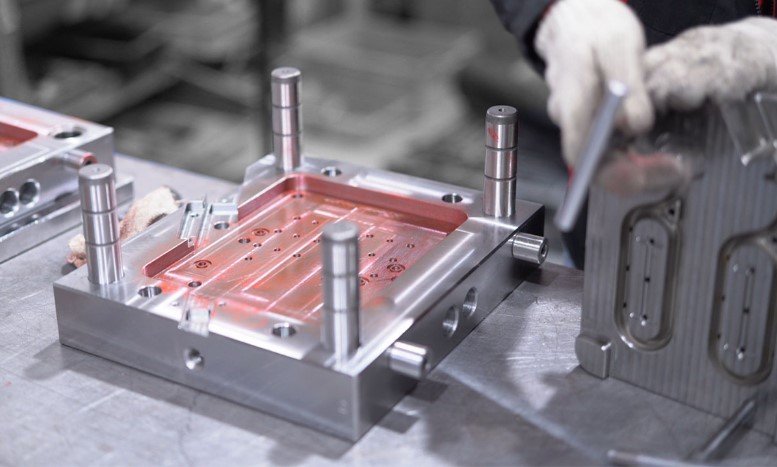
The mould is the foundation of every successful production run. Although high-quality tooling represents an upfront investment, it delivers long-term benefits including:
- Better dimensional accuracy
- Faster production cycles
- Longer tool life
- Lower maintenance costs
- More consistent product quality
Poor-quality tooling often results in increased downtime, higher reject rates and costly repairs.
4. Prototype Before Full Production
Rapid prototyping allows manufacturers to test product functionality, fit and appearance before committing to production tooling.
Using 3D printing during product development enables design improvements to be made quickly and cost-effectively, reducing the likelihood of expensive modifications later in the project. ACP offers design support and prototype development to help customers validate their products before full-scale manufacturing begins.
5. Consider Production Volume Early
Your expected production volume influences many aspects of the project, including tooling design, material selection and manufacturing costs.
Low-volume production may require different tooling strategies than products intended for hundreds of thousands of units. Discussing future production plans with your injection moulding partner helps optimise the overall manufacturing process from the outset.
6. Work with a Full-Service Manufacturing Partner
Managing multiple suppliers for design, tooling, production and logistics can create delays and communication issues.
Choosing a manufacturer that provides end-to-end services simplifies project management while ensuring quality is maintained throughout every stage. ACP offers consultation, in-house toolmaking, machining, injection moulding, project management and delivery, creating a streamlined manufacturing experience for customers across Australia.
7. Think Beyond Manufacturing Costs
While it’s tempting to focus solely on the lowest production quote, the total cost of ownership often tells a different story.
Higher-quality moulds, better materials and experienced engineering support can reduce waste, minimise downtime and improve product performance over the life of your product. Investing in quality from the beginning often delivers significant long-term savings.
Partner with Experienced Injection Moulding Specialists
Successful custom injection moulding is about much more than simply producing plastic parts. It requires thoughtful design, appropriate material selection, precision tooling and experienced manufacturing expertise.
By partnering with an experienced Australian manufacturer like Australian Consolidated Plastics, businesses gain access to decades of technical knowledge, modern manufacturing equipment and complete project support from concept through to production. Whether you require a small production run or large-scale manufacturing, working with the right injection moulding partner helps ensure your product is delivered efficiently, cost-effectively and to the highest quality standards.